There’s more than one way to immerse someone within the moment. Experiences can be intimate or epic in scale, designed for one person at a time, or arranged to help facilitate social interactions. Whatever the approach, a well crafted immersive experience captures people’s imaginations, so their concerns and responsibilities fade away, making space for an emotional connection with the story.
These projects represent some of the 200+ installations I have designed in the past twenty years.
If you have a project you would like to discuss, please use the form to get in touch.
Gesture controlled exhibits utilize the most natural interface of all — our own bodies. Unencumbered by gadgets or electronic hardware, gestural interfaces can help provide a direct connection between ourselves and the digital experience, so any awareness of the technology fades into the background.
A well-designed gestural interface should be easy to learn but quickly forgotten. I design intuitive gestural systems that feel transparent to the user, giving up space for the real story to shine through. The result is a dance between the audience and the experience, where people message and their interactions with each other.
“A good tool is an invisible tool. By invisible, we mean that the tool does not intrude on your consciousness; you focus on the task not the tool.”
Mark Weiser, 1993.
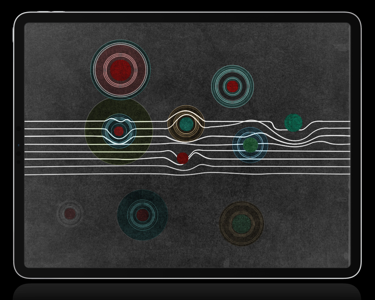
One of the first Apps developed for the hand tracking LEAP Motion device.
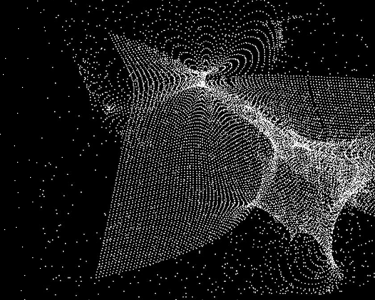
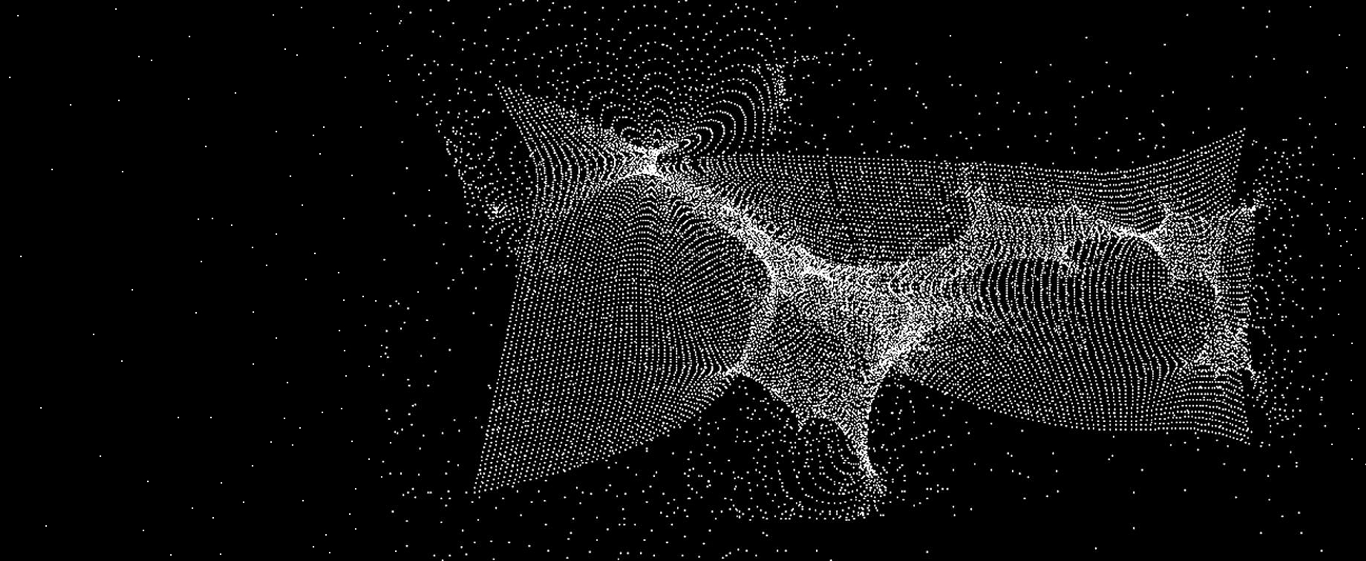

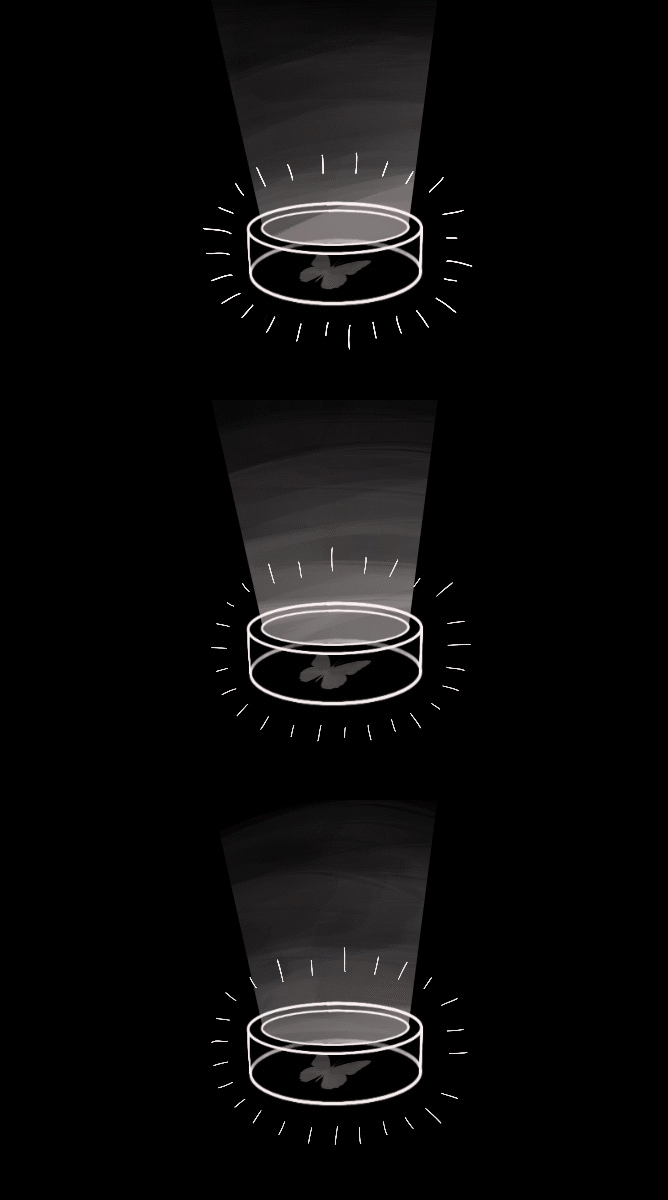
A volumetric interactive display that responds to human breath.

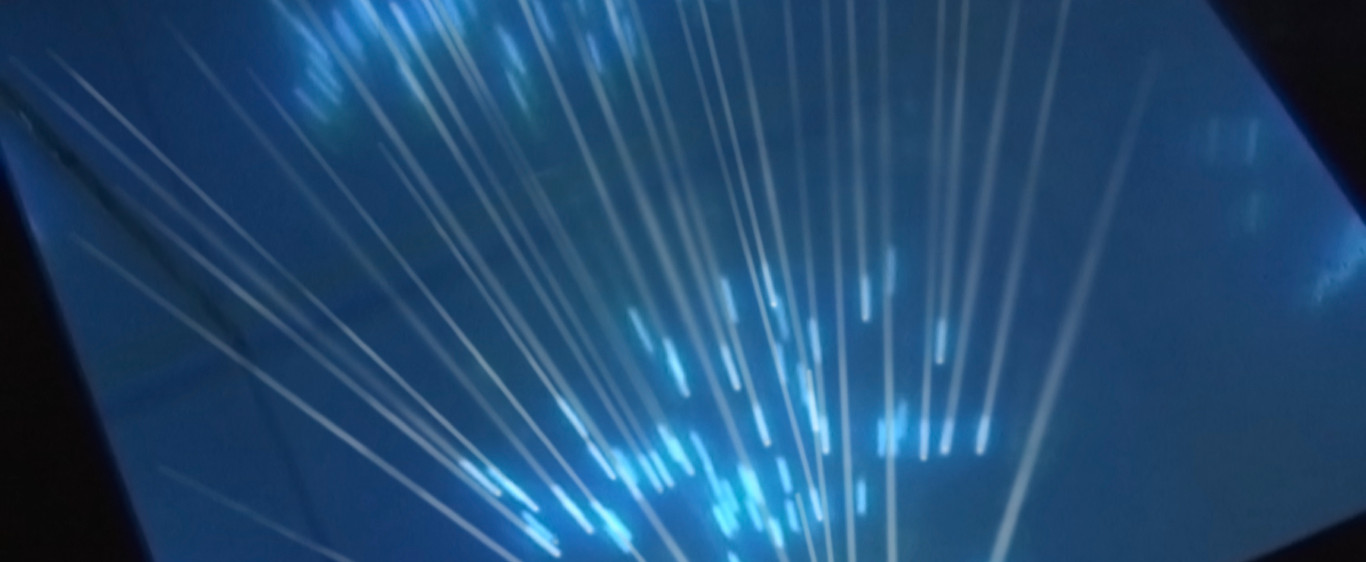
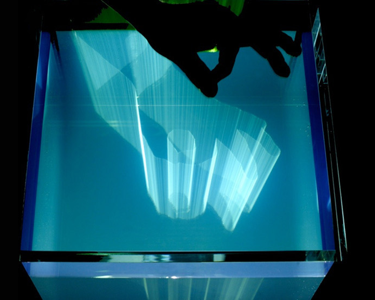
A volumetric display combining water, light and a specially prepared oil.

Socially immersive media uses body-scale interactive spaces to immerse groups of people in the same experience - so they interact with one another through the technology. These installations help ‘break the ice’ between people, so friends, families and strangers can find an easy route into the conversation. In this respect, socially immersive media has the opposite effect of touch-screens and mobile devices, which tend to isolate people in their own thought space.
Socially immersive experiences are an effective method of communicating cultural and scientific ideas, or promoting brand messages. They use technology to connect people in real spaces, shaping the ‘physics’ of human interactions, providing the perfect reason to start talking with your neighbor.
“These experiences engage people's whole bodies to viscerally “operate” an exhibit, and elicit strong emotional responses”
Scott Snibbe & Hayes Raffle, 2009.
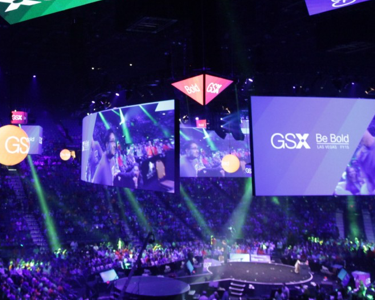
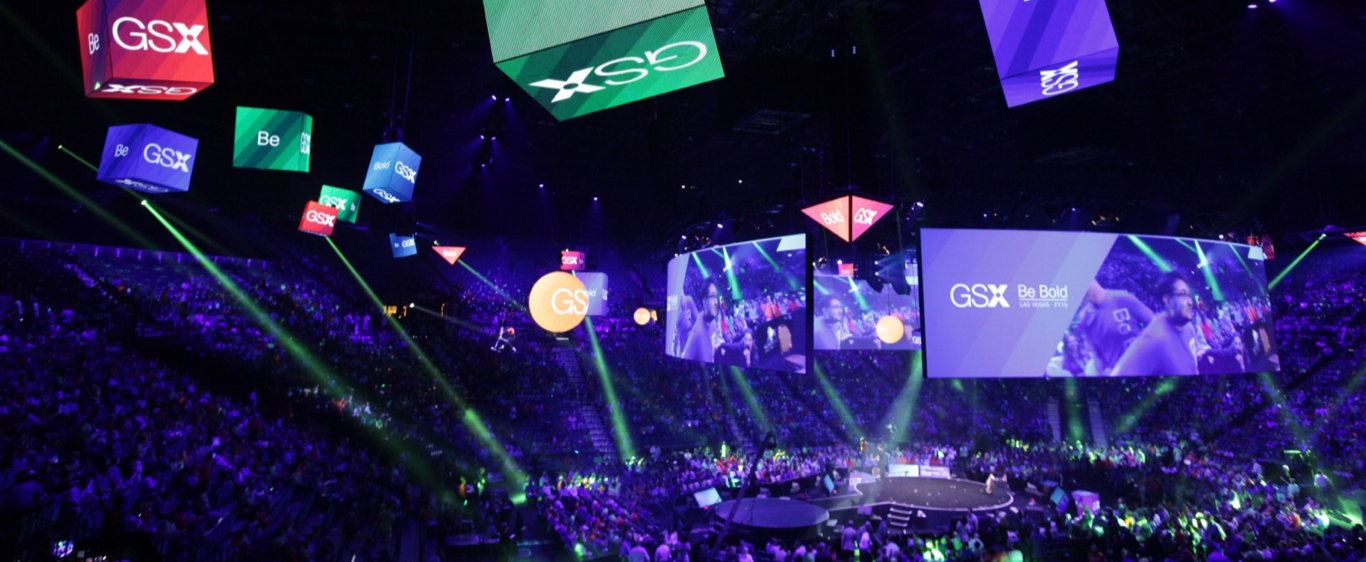
A giant multiplayer game for Cisco’s GSX conference in Las Vegas
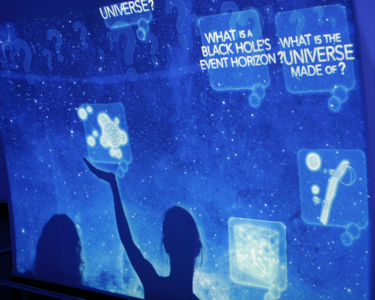
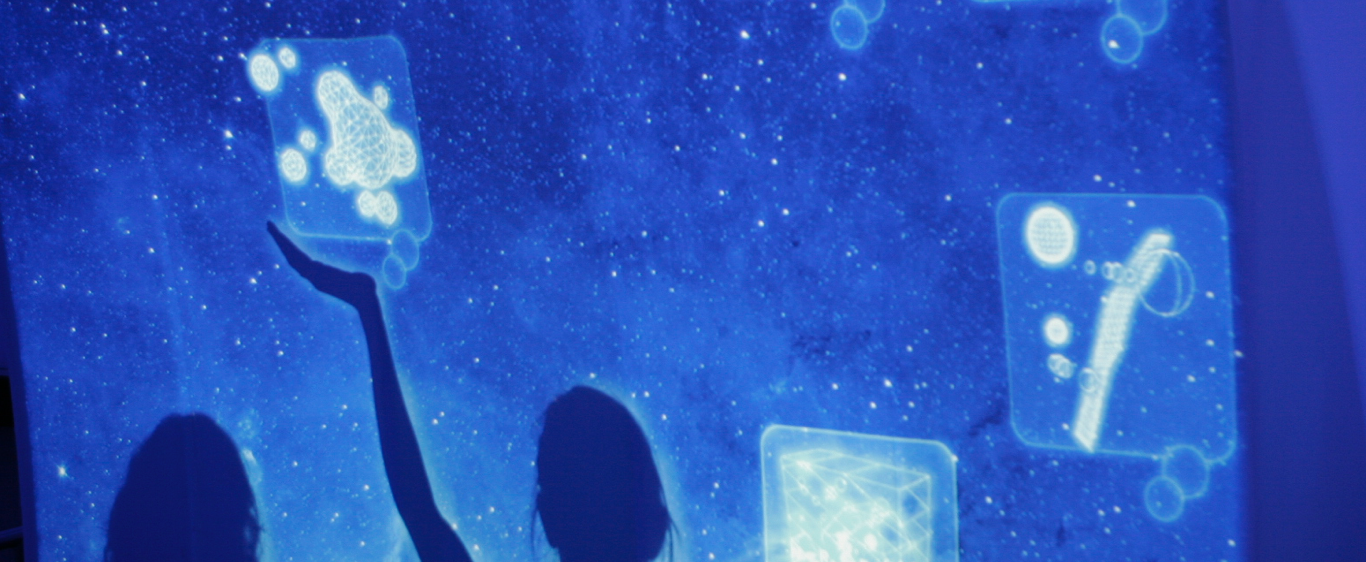
Immersing visitors in images of space by creating a connection between their movements and the cosmos.
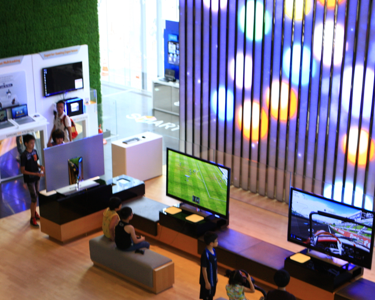
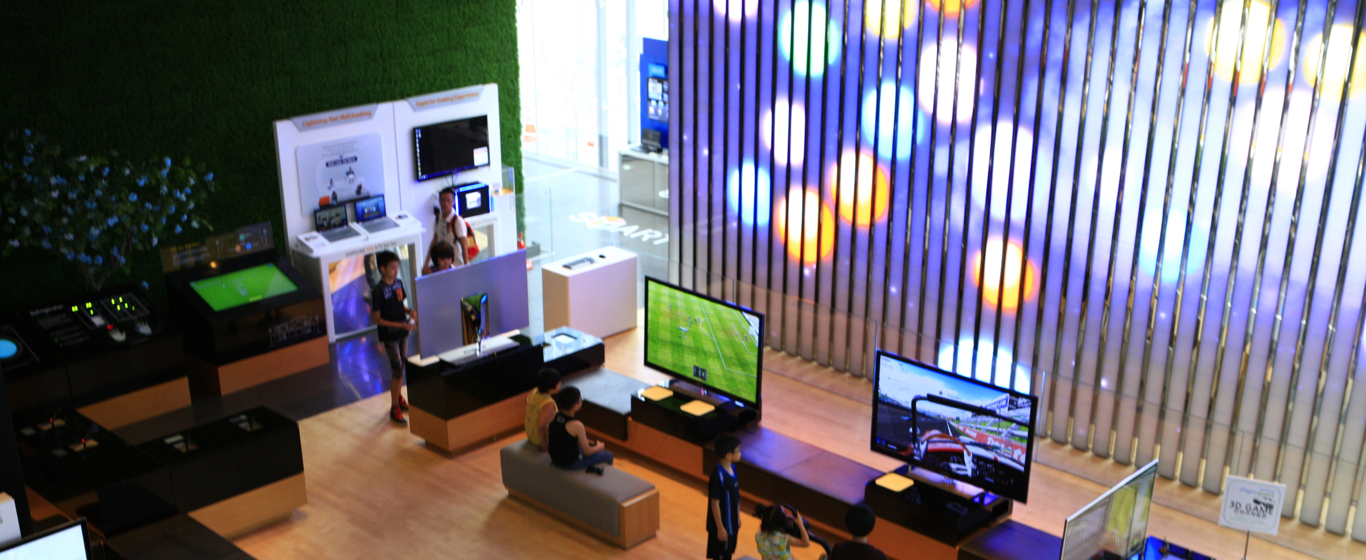
Showcasing Samsung products as an interactive installation that displays user generated content.
Touchscreens are convenient interfaces, but their limited range of interactions fall short of the skillful ways our hands and minds already interact with the physical world. We’re naturally capable of more than a tap, swipe or pinch. These projects utilize our inherant motor skills, providing a more natural and efficient way of interacting with information.
These projects augment real-world objects with digital technology, giving them storytelling superpowers.
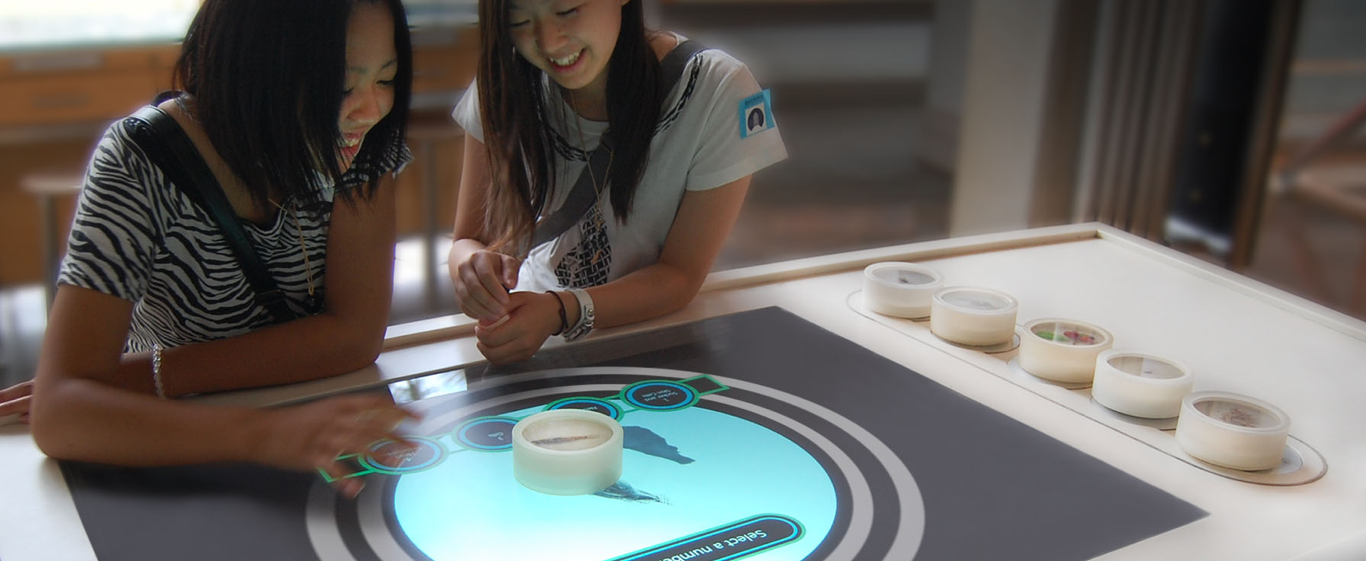
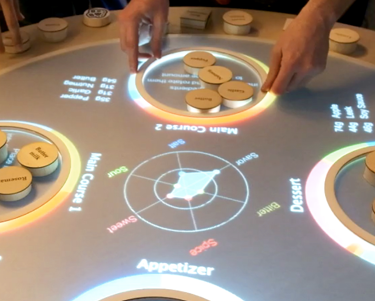
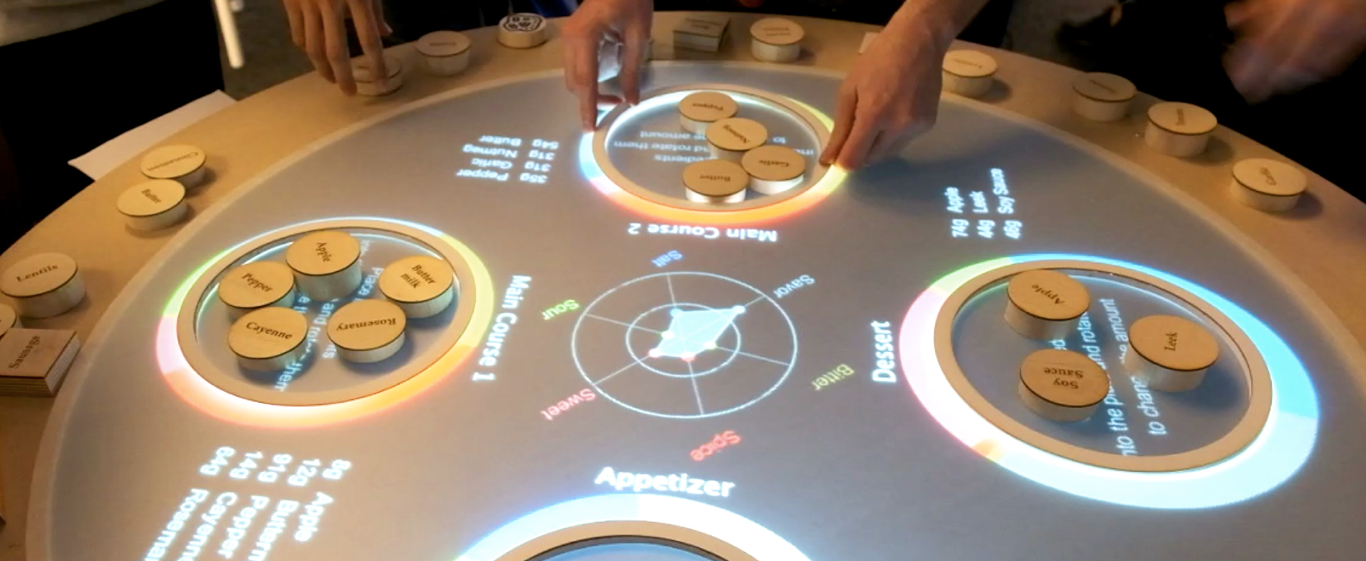
Tangible interfaces are especially good at enabling more collaborative ways of working. Where touchscreens tend to bias the experience to individual use, These projects capitalize on the simple idea that anyone can lean over and take control of the interface, making the technology a catalyst for engaging face to face interactions.
“Our hands feel things, and our hands manipulate things. Why aim for anything less than a dynamic medium that we can see, feel, and manipulate?”
Bret Victor, 2011.
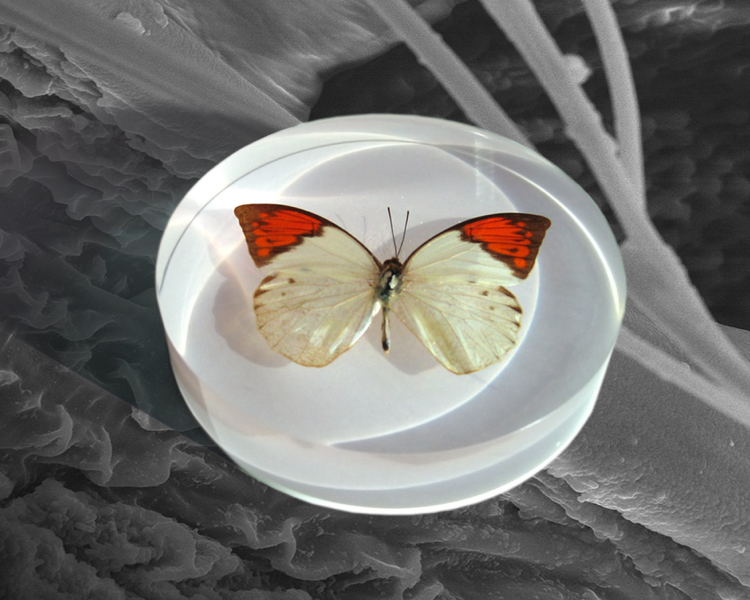
A tangible interface for exploring the science and ecology of the Hawaiian islands.
Teaching the next generation of interaction designers how to design tangible user interfaces.
Socially immersive media uses body-scale interactive spaces to immerse groups of people in the same experience - so they interact with one another through the technology. These installations help ‘break the ice’ between people, so friends, families and strangers can find an easy route into the conversation. In this respect, socially immersive media has the opposite effect of touch-screens and mobile devices, which tend to isolate people in their own thought space.
Socially immersive experiences are an effective method of communicating cultural and scientific ideas, or promoting brand messages. They use technology to connect people in real spaces, shaping the ‘physics’ of human interactions, providing the perfect reason to start talking with your neighbor.
“Quote to go here, Quote to go here, Quote to go here, Quote to go here, Quote to go here, Quote to go here, Quote to go here, ?”
Name and date to go here 2011.
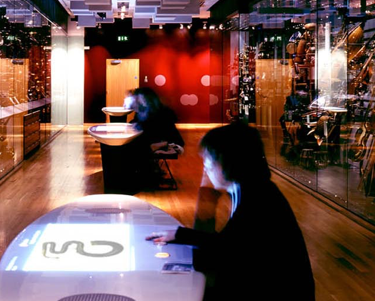
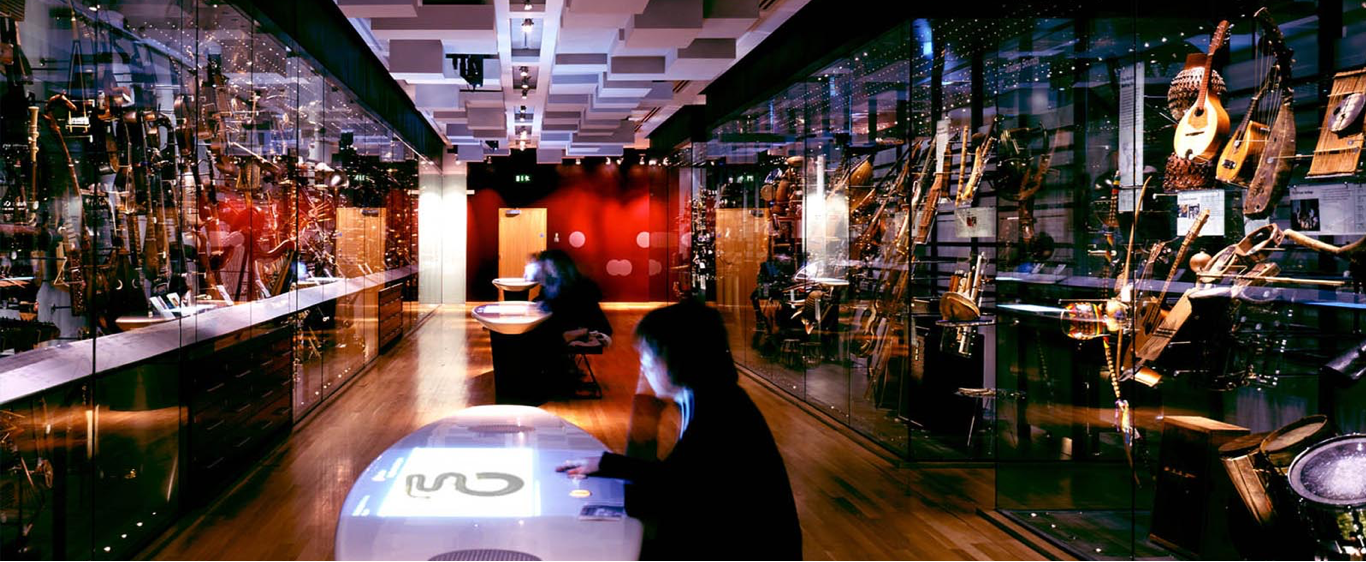
Interactive tables for exploring Europe’s largest collection of musical instruments.
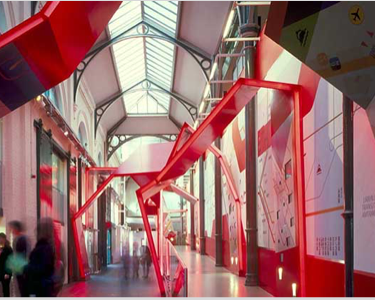
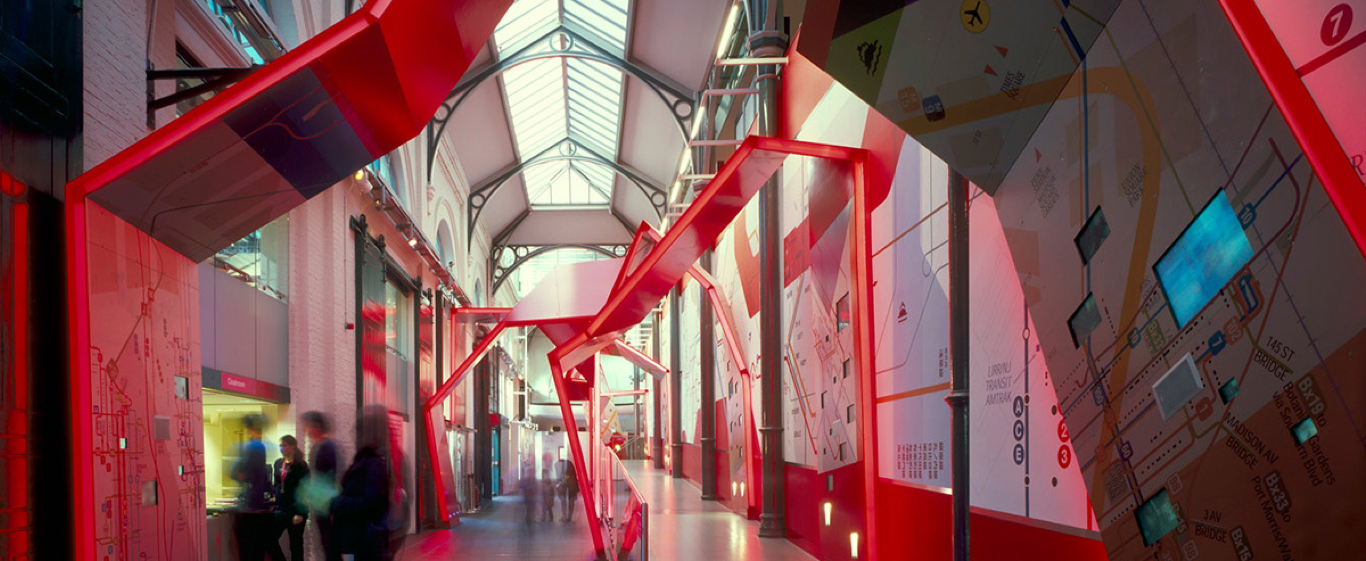
A 3D map of central London augmneted with stories about the historic transportation network.
These playful Apps make inventive use of touch-screen interactivity to give users the ability to create collections or compose their own music.
Rework remixes Philip Glass’ early music, with compositions by Beck, Amon Tobin and other artists. Interactive visualizations produce generative graphics in response to user interactions.
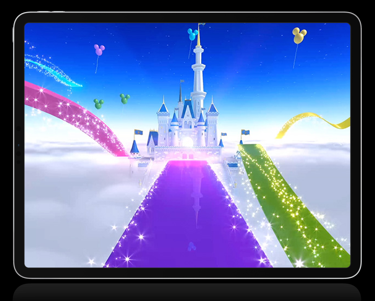
The Disneys Journey’s app leverages Disney’s ‘d-graph’ - the digital archive of Disney content, to provide an immersive game in which players curate their own Disney collections, organized along interactive timelines.
A premium app for Disney, leveraging their huge database of content in an immersive game.

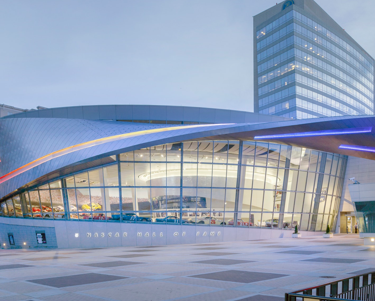
These projects connect discreet experiences using smart ticket technology to link the moments before, during, and after a visit to a museum or gallery.
Both examples use RFID tags embedded in smart tickets, which are “read” by kiosks located throughout the museum. When guests places their tickets on a kiosk, unique electronic signatures are registered. Thereafter, guests’ interactions contribute to a digital profile that customizes their experiences, culminating in a personalized website they can later visit and further cement their relationship with the institution.
“Quote to go here, Quote to go here, Quote to go here, Quote to go here, Quote to go here, Quote to go here, Quote to go here, ?”
Name and date to go here 2011.
A smart-card system designed to seamlessly connect the moments before, during and after the museum visit.
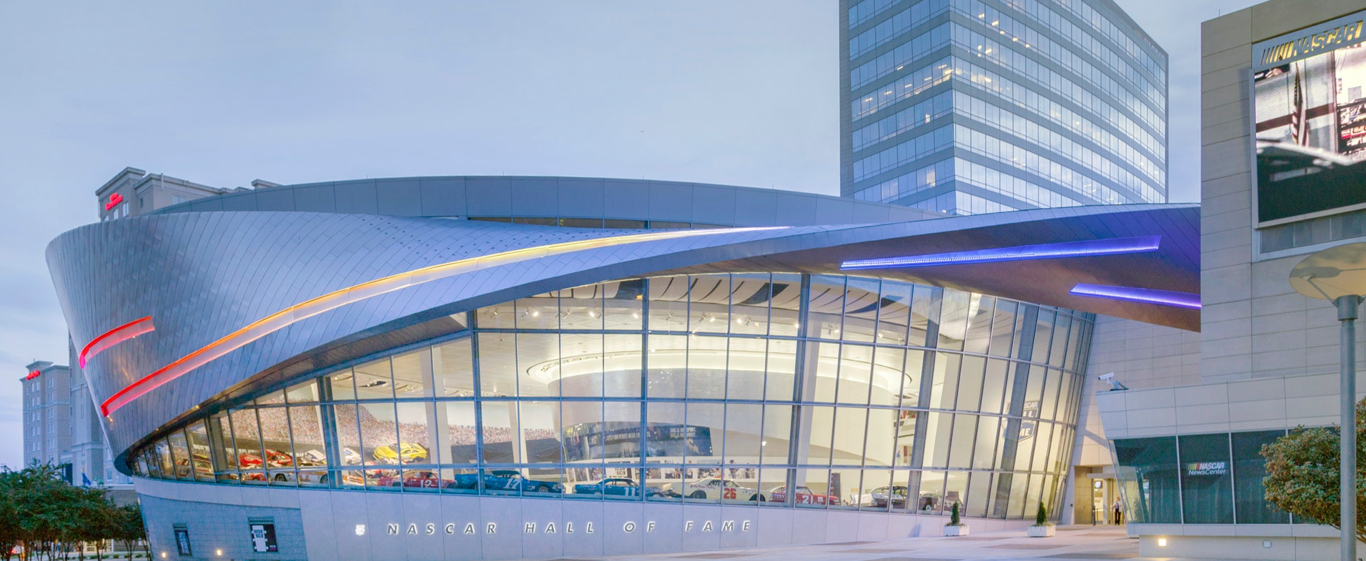
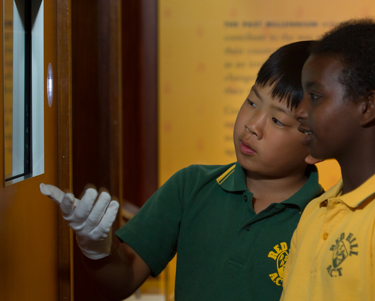
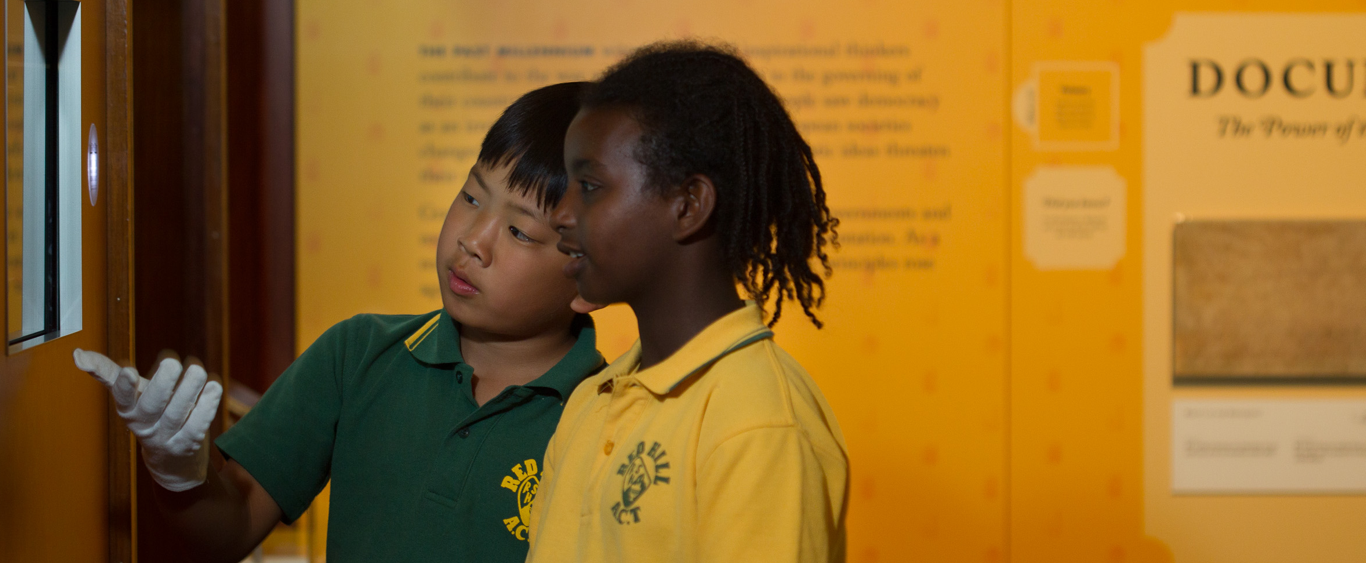
A smart-card system designed to get students looking, thinking, and talking about a museum’s stories, images, and artifacts.
My research into immersive media falls into two main categories; research that helps agencies develop innovative immersive experiences, and personal research projects - where I explore the relationships between analogue and digital media, the mode of interaction, and the story being told.
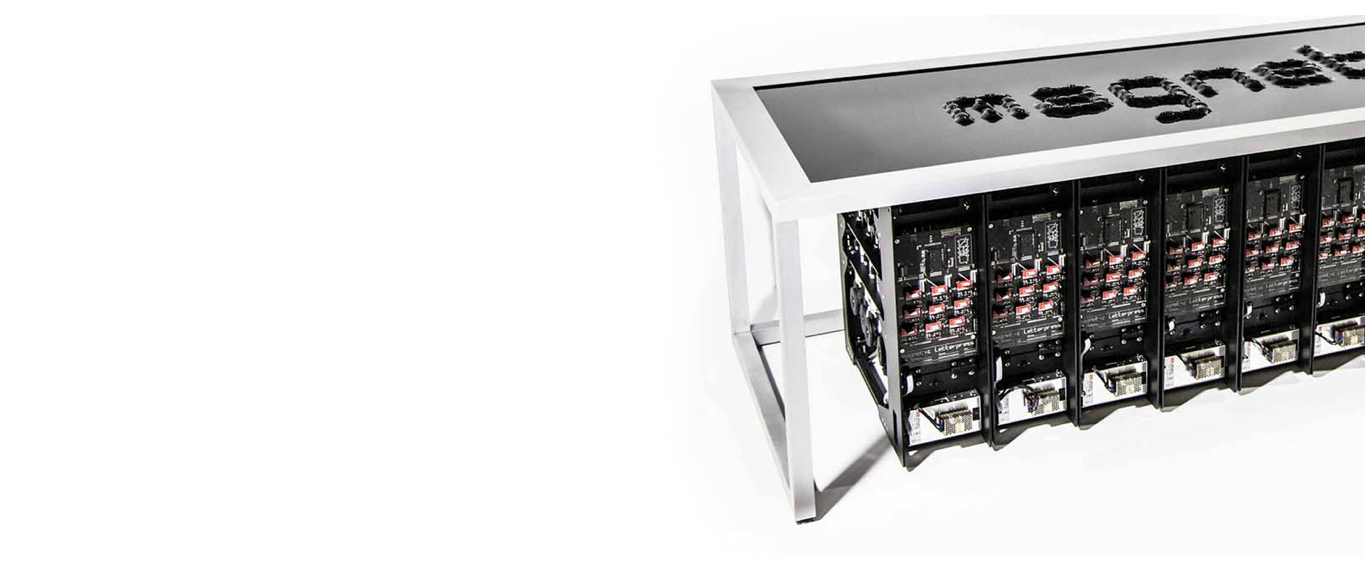
This section includes two recent personal research projects, the Reactive Cube and The Magnetic Letterpress.
Both machines use specially formulated liquids that contain nano-scaled particle to interact with projected light and magnetic fields. They are machines for telling stories, where the medium provides a particular voice to the message.
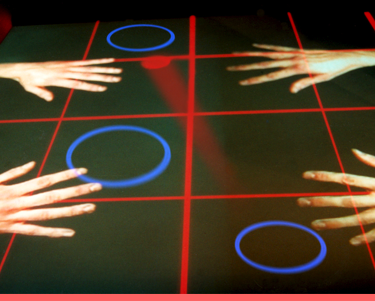
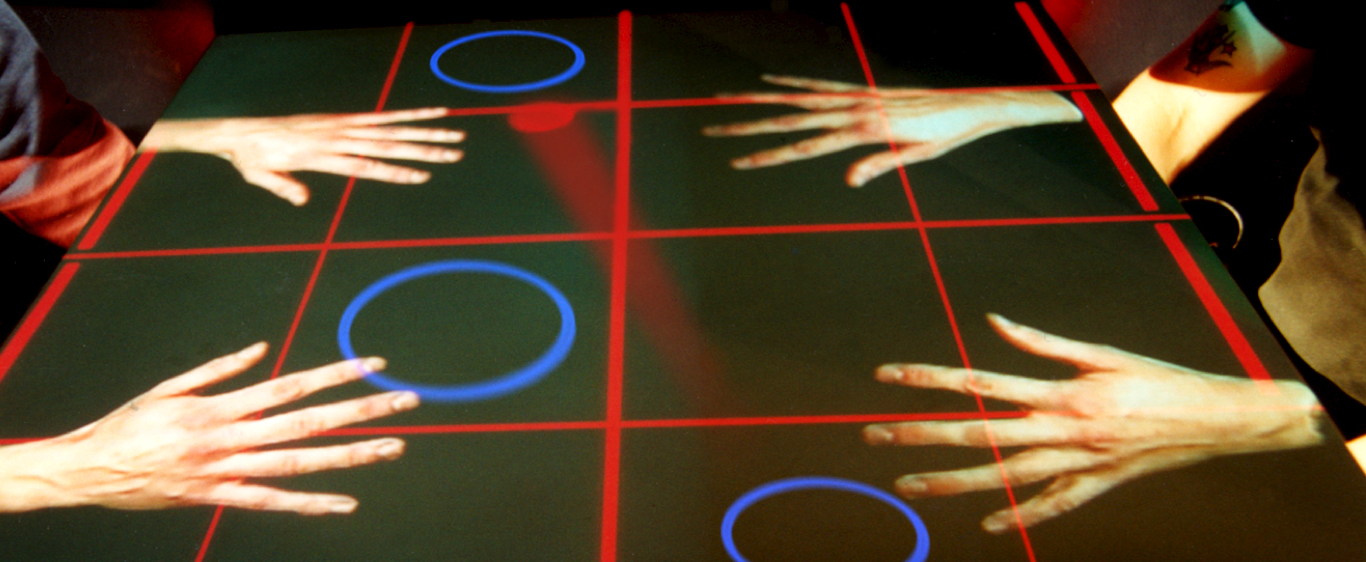
The arcade style game ‘Phantom Limb’ immerses players in a competition between players and against their own perceptual systems. The paradoxical of the game means that the winner has to overcome their own instincts before they can beat their opponent.
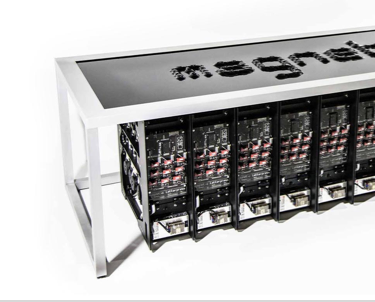
An immersive installation that writes three dimensional words from magnetic oil.
A volumetric interactive display that responds to human breath.
An immersive arcade style game that retrains players sense of perception.